

Streaming devices have transformed how people consume entertainment, creating new opportunities for investors. With the growing shift away from traditional cable toward on-demand services, these devices are now household staples across the globe. Companies that manufacture or develop platforms for streaming devices are seeing rapid growth, making them attractive options for those looking to invest. However, like any technology-driven market, streaming devices come with both opportunities and challenges that investors should carefully evaluate. Understanding the industry landscape is key to making informed decisions and maximizing returns.
The Growing Popularity of Streaming
The rise of streaming is one of the strongest reasons why investing in streaming devices has become appealing. Viewers are increasingly cutting the cord and turning to platforms such as Netflix, Disney+, and Amazon Prime Video. Devices like Roku, Amazon Fire TV Stick, Apple TV, and Google Chromecast have made access to these services seamless. As demand for digital entertainment continues to climb, so does the reliance on the hardware that delivers it. This growth trend positions streaming devices as essential products in a rapidly expanding industry.
Competition in the Market
While the industry has potential, competition is intense. Multiple companies are fighting for dominance, each offering unique features, pricing, and ecosystem integration. For example, Apple emphasizes premium quality and integration with its devices, while Amazon leverages its Prime ecosystem to drive sales of the Fire TV Stick. Roku, on the other hand, focuses on affordability and wide compatibility. As an investor, it is crucial to recognize that market competition can influence growth and profitability. Companies that innovate and adapt quickly to consumer demands often stand out from the rest.
Revenue Beyond Devices
Streaming device companies do not only profit from hardware sales. Many generate significant income through advertising, partnerships with streaming services, and subscription-based models. Roku, for example, earns a large portion of its revenue from advertising on its platform. This means that investing in streaming devices often goes beyond the physical product—it includes the broader ecosystem and the services tied to it. Understanding this revenue diversification is vital for evaluating long-term investment potential.
Shifts in Consumer Behavior
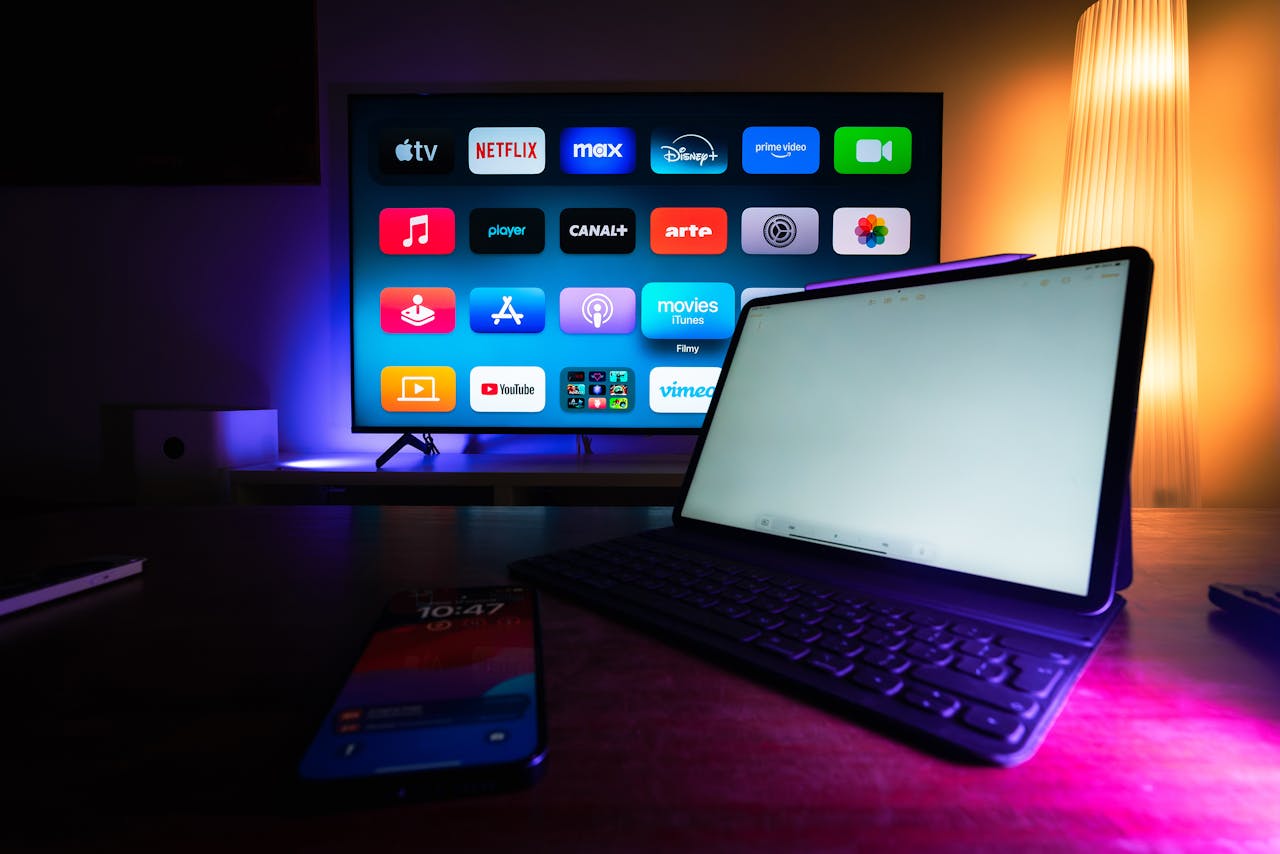
Investors must also consider how consumer behavior is shaping the streaming device market. More people are seeking not just access to shows and movies but also advanced features such as voice assistants, 4K streaming, and gaming capabilities. In addition, smart TVs with built-in streaming functions are becoming more common, potentially reducing the need for standalone devices. While this may create challenges for certain players, it also pushes companies to evolve their products and deliver more value to customers.
Risks to Consider
Like any investment, streaming devices come with risks. Rapid technological advancements mean products can become outdated quickly, requiring constant innovation. Market saturation is another concern, as many households already own at least one streaming device. Additionally, regulatory issues, data privacy concerns, and reliance on third-party streaming platforms can impact profitability. Investors need to balance the potential for growth with these risks to make sound decisions.
Investing in streaming devices offers exciting opportunities in a market that continues to expand as entertainment shifts online. With strong consumer demand, evolving features, and diversified revenue models, companies in this sector have the potential to deliver long-term growth. At the same time, high competition, changing consumer behavior, and technological risks highlight the importance of careful research. By understanding both the opportunities and challenges, investors can position themselves to benefit from one of the most dynamic industries in the digital age.